The Complete Guide to Corfu: General Info, Best Time to Visit, and Month-by-Month Weather
Before planning a trip to Corfu, it helps to understand how the island’s rhythm changes with the seasons. Some months are perfect for sunbathing and nightlife, others for hiking cypress hills or wandering villages at an easy pace. This guide blends general info, seasonal highlights, and a realistic month-by-month breakdown so you can plan wisely and experience Corfu at its most authentic.
Check the current weather in Corfu herePreview
- General Info about Corfu
- When to Visit Corfu (Seasonal Highlights)
- Weather Month by Month
General Info about Corfu
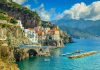
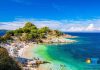
Corfu, the lush northern Ionian island of Greece, mixes Venetian-influenced Old Town charm with mountain villages and coastlines ranging from sandy bays to pebbled coves. With ~100,000 residents, it combines a lively capital with quiet rural landscapes where olive groves roll for miles. Arrivals are via Ioannis Kapodistrias International Airport (≈3 km from town) or ferries from Igoumenitsa and Italy. Buses link town to resorts like Gouvia (~15′), Paleokastritsa (~35′), Sidari (~60′), and Kavos (~80′). For mountain villages (e.g., Strinilas) or secluded bays (e.g., Agios Georgios Pagon), consider a car.
When to Visit Corfu (Seasonal Highlights)
- April–June — Mild, blooming, fewer crowds; top for walkers/photographers and village life. Trails around Pantokrator explode with wildflowers; beaches remain calm.
- July–August — Peak summer: hot days, warm seas, busy beaches and nightlife (Gouvia, Ipsos, Kavos). Festivals and frequent ferries; vibrant and energetic.
- September–October — Still warm for swimming; quieter beaches, harvest festivals, family-friendly pace. Great balance of weather and authenticity.
- November–March — Off-season; limited tourist services, olive harvest, excellent for crowd-free Old Town and hiking in emerald countryside.

Weather Month by Month
July
Peak heat (often >30°C). Busy stars like Paleokastritsa and Glyfada; seek quieter gems like Rovinia or Arkoudilas early/late in the day. Festivals abound.
August
Very hot and busy; perfect sea temperatures. The Aug 15 feast day brings sacred village festivities (Strinilas, Agios Stefanos) with music and dancing.
April
Mild and sunny (~19°C). Orthodox Easter brings music and fireworks; long beach walks (Issos, Glyfada) before summer crowds.
May
Warm (23–25°C) with little rain. Swimming begins in sheltered bays (Barbati, Dassia). Prime time for Pantokrator hikes before heat arrives.
June
Hotter and dry (~28°C). Island fully awake: lively beaches from Sidari to Kavos; long sunny days and music-filled evenings in squares.
January
Cool and rainy (≈12°C/5°C). Many tavernas close, but village life continues. Ideal for cultural immersion, green valley walks, and hearty meals.
February
Still cool (≈13°C high) and slightly drier. Carnival lights up Corfu Town with Venetian-style parades; visitors are quickly swept into the revelry.
March
Spring stirs (15–17°C). Wildflowers blanket hills; great for Gastouri trails and a relaxed Achilleion visit. Citrus blossom scents the countryside.
November
Rainier (~17°C). Olive harvest defines rural life; tourism slows, but Old Town remains charming and lived-in — a glimpse of “real Corfu.”
December
Cool and wet (~13°C). Christmas markets and village traditions add sparkle; crisp-air hikes near Sinarades or Ano Korakiana.
Corfu is never just a summer island. Time your trip to match your style — sunbathing on Glyfada, hiking Pantokrator, or celebrating Easter in Old Town — and you’ll meet a different, authentic Corfu in every season.