The Durrells in Corfu: True Story, Filming Locations & Places to Visit
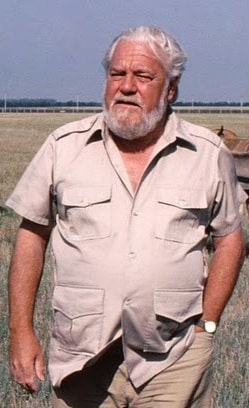
Corfu, with its lush landscapes, turquoise seas and sun-drenched villages, has inspired travellers and writers for generations. Few families, however, have become as closely connected with the island as the Durrells. Their years in Corfu between 1935 and 1939 inspired Gerald Durrell’s much-loved Corfu Trilogy, beginning with My Family and Other Animals, and later the successful television series The Durrells.
For visitors today, the story is especially fascinating because you can still discover many of the landscapes connected with the real Durrell family, as well as several of the locations used during filming of the television series. From Kalami and the famous White House to Corfu Town, Kontokali and the northeast coast, the Durrell connection remains very much alive.
The Durrell Family Arrives in Corfu
In 1935, Louisa Durrell moved to Corfu with her children Leslie, Margo and the young Gerald. Her eldest son, Lawrence Durrell, had already come to the island with his wife Nancy.
The family lived in several different villas during their years in Corfu. Gerald later described them as the Strawberry-Pink Villa, the Daffodil-Yellow Villa and the Snow-White Villa.
This is an important distinction for visitors because the famous White House in Kalami was not the main family residence portrayed in Gerald’s books. Lawrence and Nancy lived separately there for part of their time on the island, although the rest of the Durrell family frequently visited them.
Lawrence Durrell and the White House in Kalami
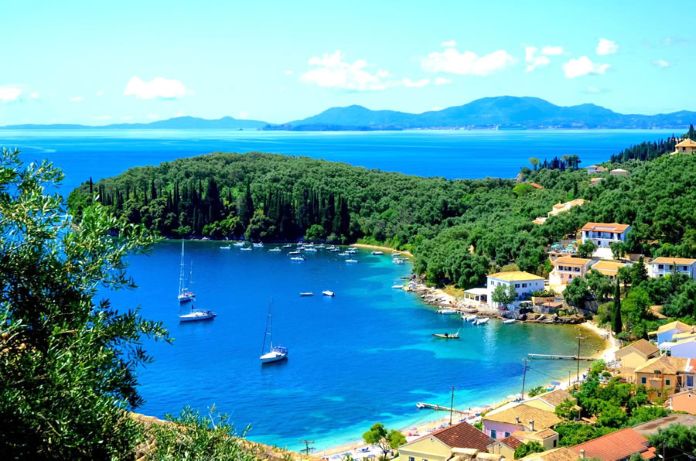
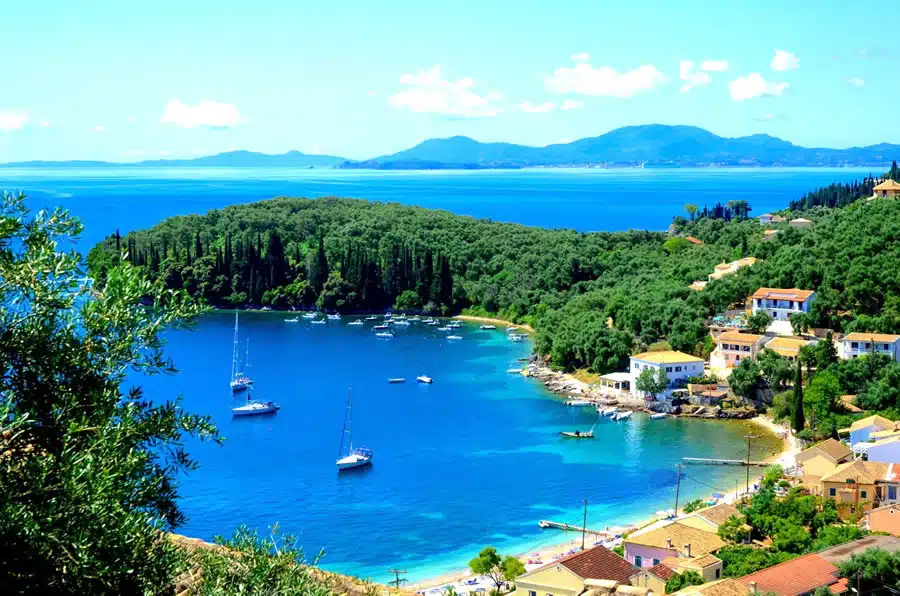
One of the strongest physical links between Corfu and the Durrell family can still be found in Kalami, on the beautiful northeast coast.
Lawrence Durrell and his wife Nancy lived in the waterfront building now known around the world as the Durrell White House. Lawrence wrote and worked here while enjoying the extraordinary setting of Kalami Bay, surrounded by olive-covered hills and the Ionian Sea.
The White House still stands directly beside the water and has become one of Corfu’s best-known literary landmarks. Visitors can see the building from the beach and waterfront, making Kalami one of the essential stops for anyone interested in the Durrell story.
The wider northeast coast is also worth exploring. Nearby places such as Agni still offer the combination of clear water, olive groves, small bays and waterfront tavernas that makes this part of Corfu feel very different from the island’s larger resorts.
Gerald Durrell’s Corfu
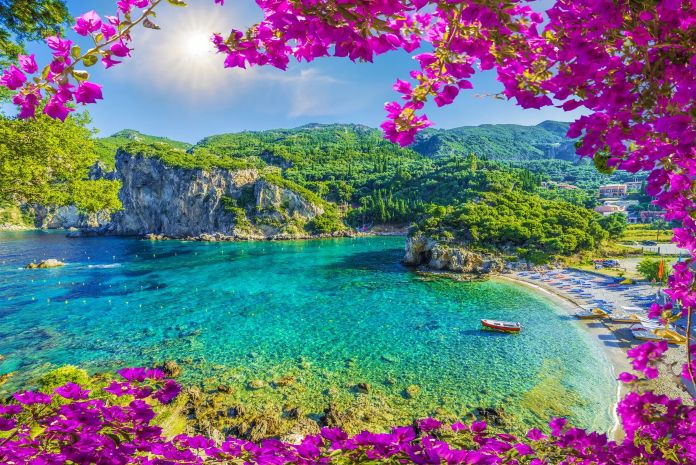
For the young Gerald Durrell, Corfu became an enormous outdoor classroom. He spent countless hours exploring the countryside, observing insects, reptiles, birds and other animals.
The island’s olive groves, wetlands, rocky coastline and Mediterranean wildlife helped develop the fascination with animals that eventually shaped his entire life.
Gerald later became one of the world’s best-known naturalists and conservationists, but many of the experiences that influenced him began during those childhood years in Corfu.
Even today, visitors who leave the busiest resorts and explore the quieter parts of the island can understand what fascinated him. Old olive groves, coastal paths, wetlands, secluded coves and small villages remain an important part of Corfu’s character.
The Durrells TV Series
The television series The Durrells, starring Keeley Hawes as Louisa Durrell, introduced the family’s Corfu adventures to a new international audience.
The series was filmed extensively on Corfu, taking advantage of locations where traditional architecture, countryside and coastline could convincingly recreate the island of the 1930s.
Although inspired by Gerald Durrell’s books and the family’s real experiences, the television series is an adaptation rather than a completely literal reconstruction of everything that happened.
The Durrells Filming Locations in Corfu
Fans of the television series can visit or see many of the places that appeared on screen. Some are famous attractions, while others are quiet coastal locations that visitors may easily pass without realising their connection to the programme.
Villa Annemoyani – The Durrells’ TV Home
The beautiful waterfront villa used for the exterior shots of the Durrell family’s home is Villa Annemoyani, near Gouvia and Kontokali.
Its faded Venetian appearance, green shutters, garden and position directly beside the sea made it one of the most recognisable locations in the entire series. The interior scenes, however, were primarily created and filmed in studios in England.
Visitors should remember that the villa is private property, so it should be viewed respectfully and not entered without permission.
Danilia Village
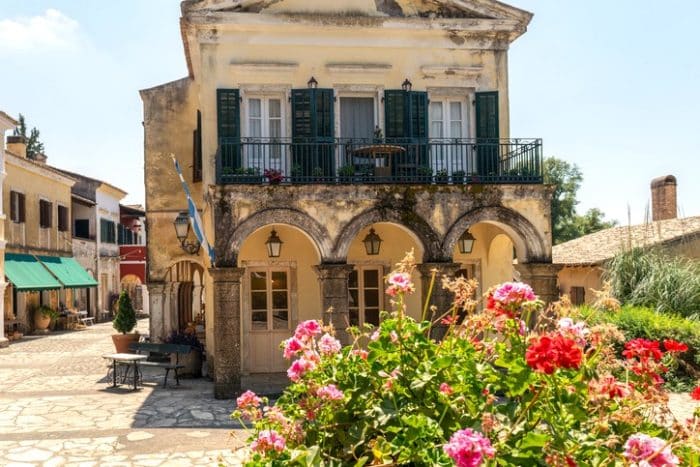
Danilia Village, close to Gouvia and Kontokali, was one of the most important filming locations for The Durrells.
The village is a recreation of a traditional Corfiot settlement, complete with narrow streets, old houses, a village square, church, cafés and traditional buildings. Its carefully preserved appearance made it ideal for scenes that needed to represent Corfu during the 1930s.
Many of the market and village scenes in the television series were filmed here. Film fans may also recognise Danilia from the James Bond movie For Your Eyes Only.
Corfu Town
The historic streets and architecture of Corfu Town also appear throughout the series.
The town’s Venetian buildings, narrow kantounia, elegant squares and historic atmosphere require relatively little imagination to transport visitors back several decades.
Even if you are not specifically following the Durrell filming locations, walking through the UNESCO-listed Old Town is one of the essential experiences of any visit to Corfu.
Mon Repos
Mon Repos, south of Corfu Town, was another memorable filming location. In the television series, the palace was used as the home of Countess Mavrodaki.
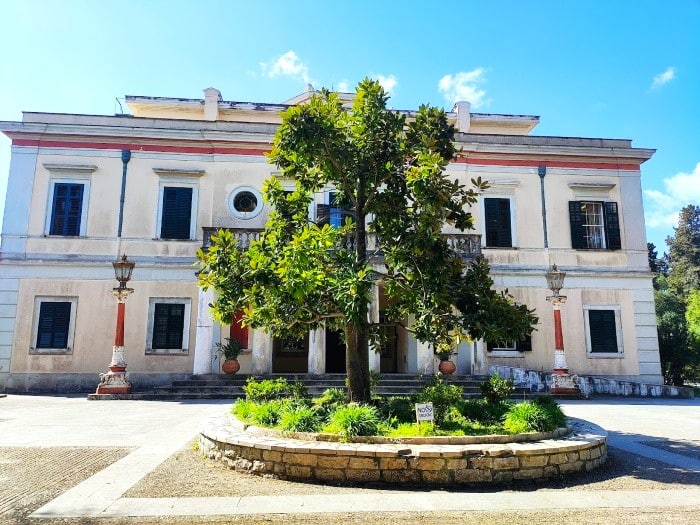
The neoclassical mansion stands within a large wooded estate at Paleopolis and today houses an archaeological museum. The surrounding park also provides one of the most pleasant walks close to Corfu Town.
Agni Bay
The beautiful northeast coast appears repeatedly throughout the series. Agni Bay, with its clear water, pebble beach and waterfront tavernas, is among the locations associated with filming.
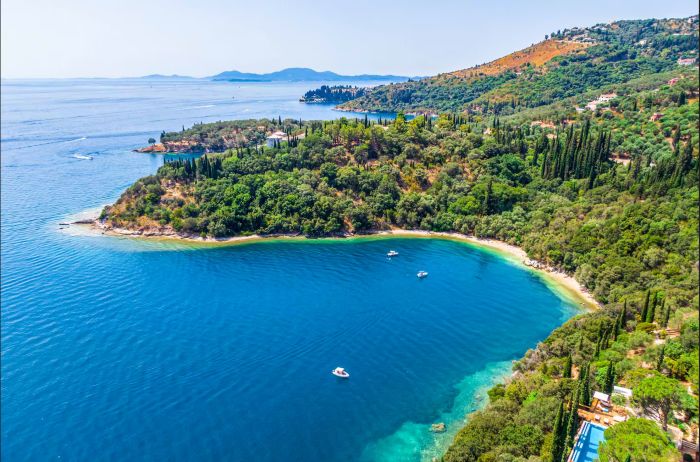
This entire stretch of coastline is worth exploring slowly, preferably by boat or car, because the small bays and olive-covered hills still provide some of the classic Corfu scenery seen throughout the programme.
Kouloura
Kouloura is another small northeast Corfu location that fans may recognise. Its almost perfectly circular harbour, traditional buildings and dramatic coastal setting make it one of the most photogenic corners of the island.
For the television series, Kouloura was also used when representing Lawrence’s White House surroundings, even though the real White House stands nearby in Kalami.
Agios Stefanos and Erimitis
Some later episodes took filming farther north to the beautiful northeast coastline around Agios Stefanos and Erimitis.
This is one of the greener and less developed parts of Corfu, with secluded coves, woodland and views across the narrow Corfu Channel toward Albania.
Boukari and Halikounas
The production also travelled to southern Corfu. Scenes were filmed around Boukari on the southeast coast and at Halikounas, one of the island’s longest and most distinctive beaches.
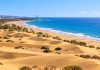
Halikounas is particularly dramatic because the long sandy beach lies between the Ionian Sea and Lake Korission, providing a completely different landscape from the wooded northeast coast.
Real Durrell Locations vs TV Filming Locations
One thing that can be confusing for visitors is the difference between the real places connected with the Durrell family and the locations used by the television production.
The real White House stands in Kalami and was home to Lawrence Durrell and Nancy. The waterfront house viewers recognise as the main Durrell family home in the television series is Villa Annemoyani near Gouvia and Kontokali.
Similarly, Danilia Village was an ideal recreation of old Corfu for television, but it was not where the Durrell family actually lived.
Knowing the difference makes exploring the island even more interesting because visitors can combine real Durrell history with locations made famous by the television adaptation.
Experiencing the Durrells’ Corfu Today
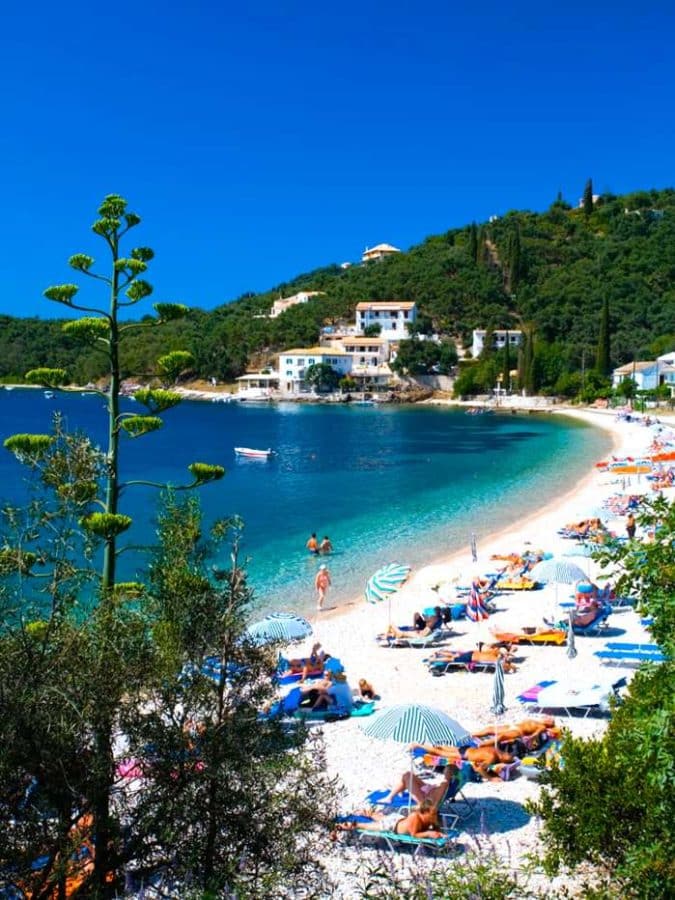
For travellers wanting to follow in the footsteps of the Durrells, we would start in Kalami. Walk along the waterfront, see the White House and spend some time looking across the bay toward the mountains of northeast Corfu.
From Kalami, continue along the coast towards Agni, Kouloura and Agios Stefanos. Exploring this coastline by small boat is particularly enjoyable because many of the little bays are easier to appreciate from the sea.
Closer to Corfu Town, you can explore Kontokali and Gouvia before visiting Danilia Village and Mon Repos.
You can use our Corfu Map to plan the different areas of the island and combine several Durrell locations in the same day.
A Local Tip
If you are visiting Kalami specifically because of the Durrells, try to arrive early in the morning or later in the afternoon. During the busiest summer months the bay can become much busier around midday.
Once you have seen the White House, don’t leave immediately. Walk along the waterfront, explore the nearby coastline and spend some time looking at the olive-covered hills behind the bay. It is the landscape rather than a single building that really helps explain why Lawrence and Gerald Durrell became so attached to Corfu.
The Legacy of the Durrells in Corfu
The Durrell connection has become part of Corfu’s modern cultural identity. Gerald’s books introduced generations of readers to an island filled with wildlife, eccentric characters and Mediterranean adventures, while Lawrence created a very different but equally memorable literary portrait of Corfu.
The television adaptation brought another generation of visitors who wanted to see the beaches, villas, villages and landscapes featured on screen.
For Corfu, their legacy goes beyond tourism. Gerald Durrell’s lifelong commitment to wildlife conservation also reminds us how important it is to preserve the natural landscapes that originally made the island so extraordinary.
Conclusion
The story of the Durrells in Corfu brings together literature, family history, television and one of Greece’s most beautiful islands. You can visit the real White House in Kalami, explore landscapes Gerald would have recognised, wander through filming locations such as Danilia and Corfu Town, and discover the coastal scenery that became almost another character in the television series.
Whether you discovered Corfu through My Family and Other Animals, Lawrence Durrell’s writing or the television series, exploring these places adds another dimension to a Corfu holiday.
And after visiting the famous locations, keep exploring. Some of the most memorable parts of Corfu are still the quiet olive groves, small beaches and village roads you discover when you weren’t looking for them.