Corfu’s Natural Wonders: Exploring the Flora and Fauna of the Emerald Isle
Corfu has long enchanted travelers with its shimmering beaches, Venetian architecture, and lively culture. But beyond the postcards and narrow alleys lies another world – one that makes the island worthy of its nickname, “the Emerald Isle of Greece.” Corfu’s nature is not just a backdrop for holiday experiences; it is an essential part of the island itself. Centuries-old olive groves, tall cypress trees, wildflowers, wetlands, mountain landscapes and rich marine life make Corfu a rewarding destination for nature lovers. Before exploring, take a look at our Corfu map and regions guide to understand the different parts of the island.
The Olive Groves – Corfu’s Green Sea
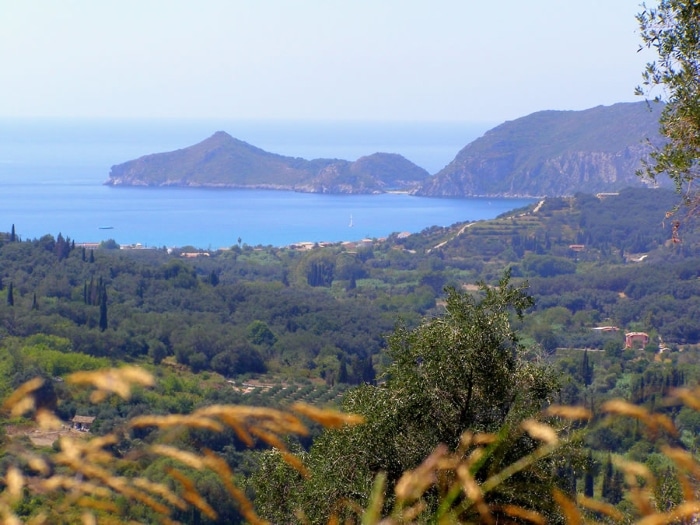
Corfu is famous for its vast olive groves, many of which date back centuries. During Venetian rule, olive cultivation expanded dramatically and helped shape the landscape visitors see today. Ancient trunks, twisting branches and silvery-green leaves cover hillsides, villages and valleys across the island.
Cypress and Pine Forests
Cypress trees are one of the most characteristic features of the Corfiot landscape, rising above olive groves and villages across the island. Pine forests and mixed woodland can also be found in many areas, creating excellent scenery for walking and countryside exploration. Visitors who enjoy hiking can discover more routes in our Corfu forest and mountain trails guide.
Wildflowers and Rare Orchids
Corfu supports an impressive variety of plant life. Spring is particularly beautiful, when hillsides, olive groves and meadows fill with wildflowers. Orchids and many Mediterranean flowering plants can be found in quieter countryside areas, making March, April and May especially rewarding months for walkers and photographers.
Butterflies, Lizards and Mountain Habitats
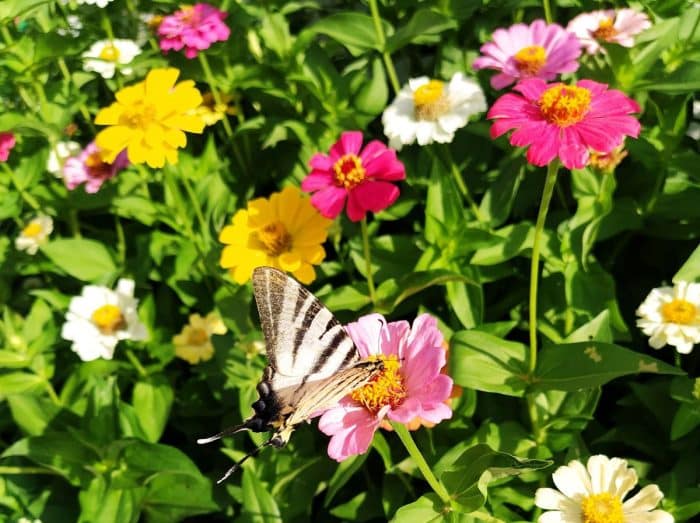
Corfu’s countryside is home to butterflies, lizards and many other small animals that thrive in the island’s warm Mediterranean environment. Rural areas and mountain villages offer some of the best opportunities to experience this quieter side of Corfu, particularly away from the busiest coastal resorts.
Birdlife of Corfu’s Wetlands
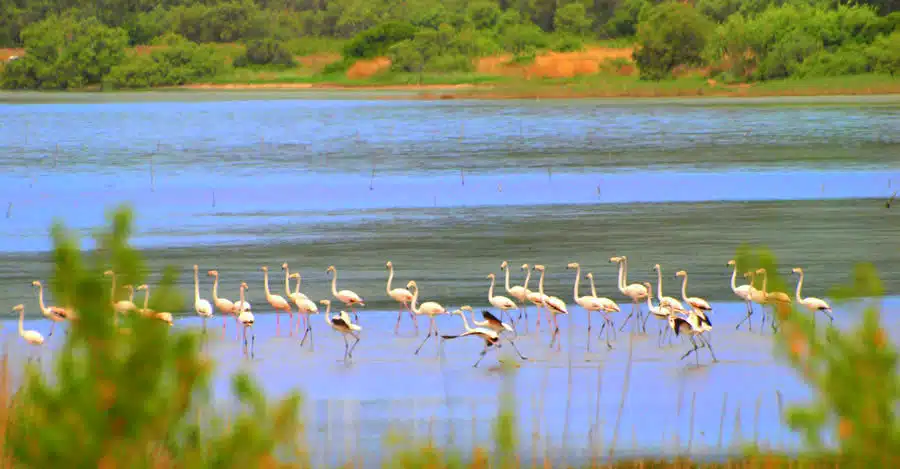
Lake Korission in the south and Antinioti Lagoon in northern Corfu are among the island’s most important wetland environments. These areas attract a variety of resident and migratory birds, making them particularly interesting during spring and autumn migration periods. Flamingos can occasionally be seen at Lake Korission, alongside herons and other wetland species.
The Marine World – Turtles and Dolphins
Corfu’s surrounding waters support a wide range of marine life. Dolphins can sometimes be spotted during boat trips, while sea turtles are occasionally seen in the Ionian Sea. The island’s clear water also makes many coastal areas excellent for observing smaller marine species while swimming or snorkeling.
If underwater nature interests you, see our complete guide to snorkeling and diving in Corfu.
The Hidden Marvels of the Sea – Sponges and Invertebrates
Beneath Corfu’s clear waters lies a quieter world of marine life. Rocky seabeds, caves and reefs provide habitats for sponges, sea stars, crabs, octopus and many other marine species. Areas around Paleokastritsa and the northeast coast are particularly popular with snorkelers and divers.
Insider Tips for Nature Lovers in Corfu
- Best time for wildflowers and orchids: Late March to May, when Corfu’s countryside is at its greenest and many wildflowers are in bloom.
- Where to look for flamingos: Lake Korission is one of the best places to check during spring and autumn migration.
- Sea turtle spotting: Turtles are occasionally seen in Corfu’s surrounding waters, but sightings are never guaranteed.
- Butterfly season: Late spring and summer are good periods for spotting butterflies in rural and wooded areas.
- Hiking for natural variety: The Pantokrator mountain region offers olive groves, woodland, traditional villages and panoramic landscapes.
- Snorkeling and marine life: Paleokastritsa and the northeast coast offer some of the island’s most interesting underwater scenery.
Mount Pantokrator and Northern Corfu
Mount Pantokrator, the highest mountain on Corfu, provides one of the island’s best environments for visitors who want to combine nature, hiking and panoramic views. The surrounding region includes traditional mountain villages, olive-covered slopes and quieter countryside. Nearby Kassiopi also makes a convenient base for exploring the northeast and northern parts of the island.
Corfu’s Beaches and Natural Coastline
Corfu’s natural attractions continue all the way to the sea. Long sandy beaches, dunes, rocky coves and sheltered bays create a remarkably varied coastline. Issos and Halikounas stand out for their wild landscapes near Lake Korission, while Paleokastritsa is known for dramatic green hills and rocky bays. Explore more in our guide to the best beaches in Corfu.
Conclusion
From olive groves and wildflowers to wetlands, mountains and the underwater world, Corfu’s ecosystems reveal another side of the island beyond its famous resorts and historic attractions. Take time to walk through the countryside, explore quieter beaches and observe the wildlife around you. Corfu’s natural beauty is one of the strongest reasons the island continues to surprise even visitors who return year after year.