🚨 Dangerous Pufferfish Sightings in Greece: See the Interactive Map
⚠️ If you’re planning to swim, snorkel, dive, or fish in Greece, this map could be extremely useful.
To help inform the public and reduce the risk of accidents, an interactive Google My Maps map has been created showing reported sightings of the highly dangerous silver-cheeked toadfish (Lagocephalus sceleratus).
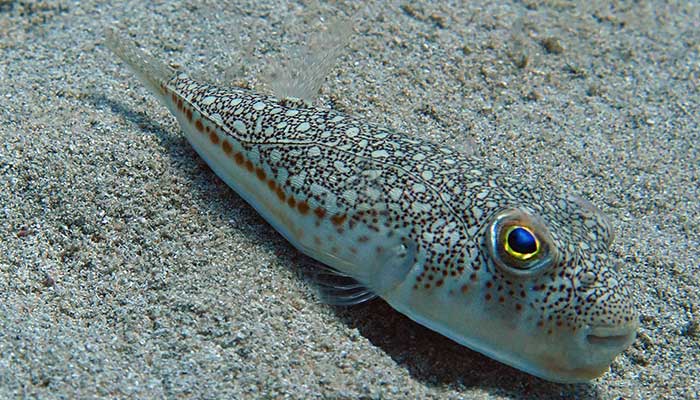
The map is based on data from the ELNAIS (Early Warning System for Alien Species in Greece) and shows where this invasive and venomous fish has been recorded across Crete, the Aegean Sea, and many other coastal areas of Greece.
Before heading to the beach or going fishing, it’s worth checking whether the species has been reported in the area you plan to visit.
🚨 View the interactive map here and see where dangerous pufferfish have been spotted in Greece.
⚠️ The Toxin Is Up to 1,000 Times More Powerful Than Cyanide
The silver-cheeked toadfish (Lagocephalus sceleratus) is considered one of the most dangerous fish in the Mediterranean Sea. It contains tetrodotoxin (TTX), an extremely potent neurotoxin that is reported to be up to 1,000 times more toxic than cyanide. There is no known antidote, and eating this fish can be fatal.
🚨 What Should You Do If It Bites You?
- Get out of the water immediately.
- Wash the wound thoroughly with clean water.
- Apply pressure if the wound is bleeding.
- Seek immediate medical attention or call the local emergency services, especially if the bite is deep or if you experience symptoms such as severe pain, numbness, weakness, dizziness, or difficulty breathing.
⚠️ What If You Accidentally Touch One?
Simply touching the fish with intact skin is generally not considered dangerous, as the toxin is not easily absorbed through healthy skin.
However, you should:
- Wash your hands thoroughly with soap and water.
- Avoid touching your eyes, nose, or mouth until your hands are clean.
- If you have cuts or open wounds on your hands, avoid handling the fish.
- Never attempt to clean, prepare, or eat it.
⚠️ The greatest danger is not touching the fish—it is eating it. Even a small amount of tetrodotoxin can cause paralysis, respiratory failure, and may be fatal without urgent hospital treatment.