🌾 A Wild Sandbar Between the Ionian Sea & Lake Korission
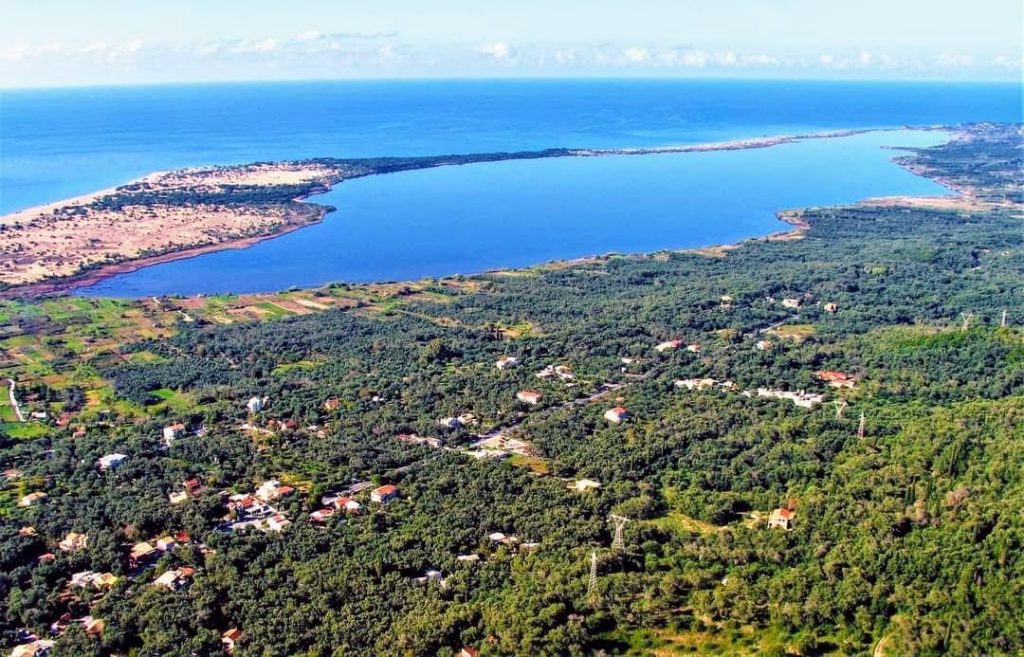
Halikounas, also written Chalikounas, is a huge sandy beach on Corfu’s southwest coast. A narrow strip of land separates the open Ionian Sea from Lake Korission, creating one of the island’s most distinctive natural landscapes.

This is not a conventional resort. Development is limited, the horizon feels open, and wind is part of the experience. Visitors come for nature, space, walking, sunsets, and wind sports.
🔹 Why Visit Halikounas?
🔹 Getting There
🔹 Halikounas Beach
🔹 Things to Do
🔹 Food & Supplies
🔹 My Personal Tip
🔹 Evening Atmosphere
🔹 Day Trips
🔹 Practical Information
✨ Is Halikounas, Corfu Worth Visiting?
Yes. Halikounas is worth visiting for its scale, dunes, cedar and juniper vegetation, lagoon views, birdlife, and sense of freedom.
It suits independent travellers, nature lovers, photographers, walkers, and experienced wind-sport users. It is less suitable for visitors needing plentiful facilities, guaranteed calm water, strong natural shade, or a village within walking distance.
🚗 How to Get from Corfu Airport to Halikounas
Halikounas is approximately 25–28 km from Corfu Airport. The drive usually takes around 40–55 minutes. The final approach includes rural roads and rougher sections.
🗺️ Directions from Corfu Airport to Halikounas
A car is the practical choice. Do not rely on regular public transport to place you directly on the beach, and avoid driving onto soft sand or protected terrain.
🌊 Halikounas Beach: Huge, Sandy & Exposed
Halikounas is among Corfu’s longest beaches. It is sandy, largely natural, and far less densely organised than Glyfada or Agios Georgios South.
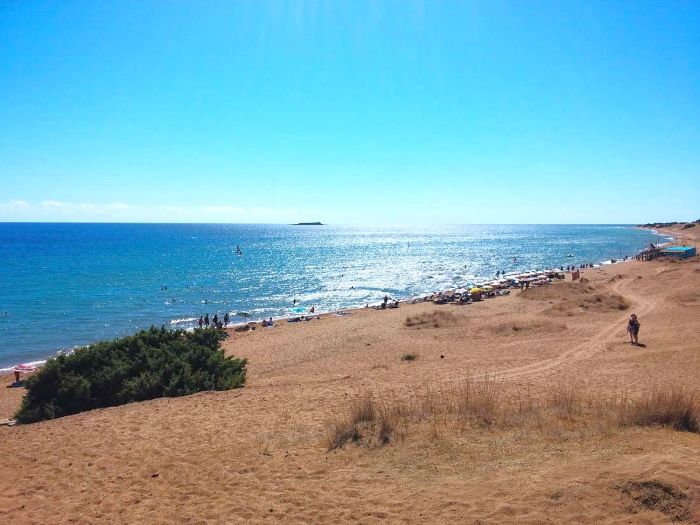
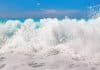
Wind and waves are common because the shore faces the open Ionian Sea. These conditions attract kite and wind sports, but they demand caution from swimmers. Currents, shore break, and offshore wind can make inflatables dangerous.
Facilities are limited and spread out. Carry drinking water, food, sun protection, and everything children may need.
☀️ Things to Do in Halikounas
Walk the sandbar: Enjoy views of the sea on one side and the lagoon ecosystem on the other.
Watch birds: Lake Korission is particularly interesting during migration periods. It is home to many species of waterbirds, and if you are lucky, you may even spot flamingos feeding in its shallow waters. Always observe wildlife without disturbing it.
Try wind sports: Use a reputable operator and stay within your skill level.
Photograph the sunset: The uninterrupted horizon produces dramatic evening light.
Explore nearby trails: Follow established routes around the wetland and surrounding countryside.
🍽️ Food, Drink & Supplies
Do not expect a continuous line of tavernas or shops. Seasonal beach facilities may operate in limited areas, but you should arrive with water and basic supplies.
Take all rubbish away, avoid glass on the beach, and never light a fire near dry vegetation or protected habitat.
💙 My Personal Tip About Halikounas
Check the wind forecast before leaving. Halikounas can be wonderful on a suitable day and uncomfortable or unsafe when strong wind drives sand and waves across the beach.
Bring your own umbrella, water, food, footwear, and mosquito repellent. There is very little dependable shade, and facilities may be far from the section you choose.
Most importantly, treat the dunes and Lake Korission as a protected natural area—not as a parking lot. Stay on existing roads and paths, keep dogs controlled around wildlife, and leave no rubbish.
🌙 Halikounas Evening Atmosphere
There is no conventional nightlife. The attraction is sunset, silence, wind, and a dark coastal landscape after visitors leave.
Do not remain in an isolated area after dark without knowing the road, carrying a charged phone, and telling someone your plans.
📍 Best Day Trips from Halikounas
Issos: Explore larger dunes and another side of Lake Korission.
Agios Georgios South: Visit an organised family resort with more services.
Gardiki Castle: See a medieval fortress in southern Corfu.
Agios Mathaios: Stop in a substantial traditional village.
Chlomos: Enjoy a hill village with wide views over the south.
🛏️ Where to Stay Near Halikounas
Accommodation is mostly in rural villas, apartments, and nearby villages rather than a dense beachfront resort. A vehicle is usually essential.
Check road quality, distance to groceries, mobile signal, and whether the property is truly walkable to the beach.
📸 Best Photo Spots in Halikounas
The sandbar: Frame the sea and lagoon within the same landscape.
Sunset: Use wind patterns in the sand as foreground detail.
Lake Korission: Use a long lens for birds and maintain a respectful distance. If you are lucky you will see flamingos.
✅ Good to Know Before You Go
Wind: Often strong; check conditions before swimming.
Shade: Very limited.
Facilities: Bring supplies and take rubbish away.
Environment: Protect the dunes, vegetation, and wildlife.
📌 Practical Information
Location: Southwest Corfu, beside Lake Korission.
Distance from Corfu Airport: Approximately 25–28 km.
Driving Time: Usually around 40–55 minutes.
Best For: Nature, wind sports, walking, space, and sunsets.
Beach Type: Huge, sandy, largely natural, and exposed.
Nearby Places: Issos, Agios Mathaios, Gardiki Castle, and Agios Georgios South.
Emergency Number: 112.
❓ Frequently Asked Questions About Halikounas
Is Halikounas worth visiting?
Yes. It is one of Corfu’s most distinctive natural beaches.
Is Halikounas organised?
Only limited seasonal sections have facilities; much of the beach feels wild.
Is Halikounas safe for children?
On calm days, families can enjoy the sand, but wind and waves require close supervision.
Can I visit without a car?
It is difficult. A car is the practical option for most visitors.
🏁 Final Thoughts
Halikounas is not about polished resort comfort. Its value lies in space, wind, sand, wetland nature, and an open horizon. Arrive prepared, respect the sea, protect Lake Korission, and you will experience one of Corfu’s most powerful coastal landscapes.