Very High Wildfire Risk Issued for Six Regions of Greece Today
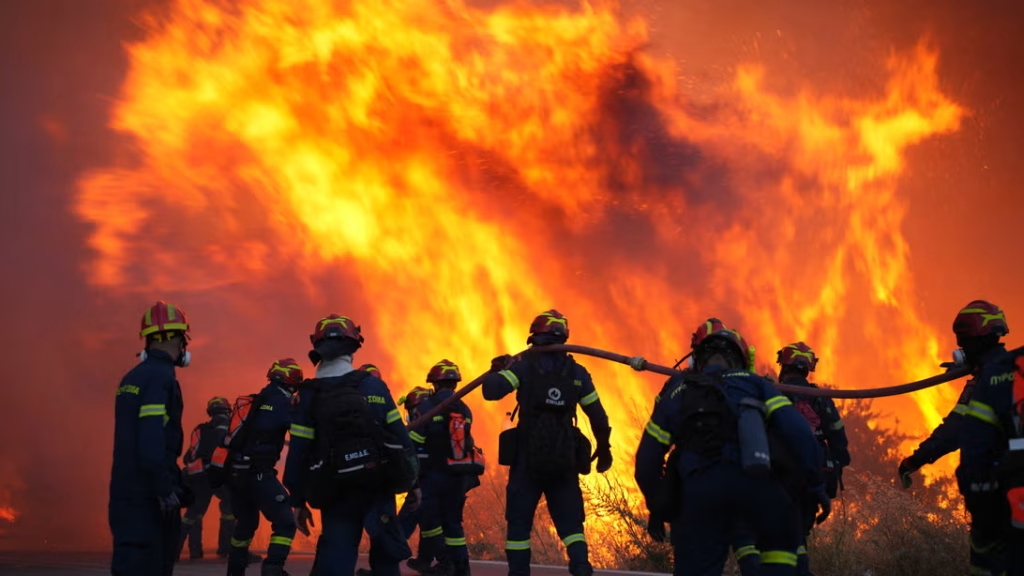
Greek authorities have issued a very high wildfire risk (Category 4) warning for today, Sunday, July 5, 2026, covering six regions of the country. The warning is based on the official Daily Fire Risk Forecast Map published by the Ministry of Climate Crisis and Civil Protection.
Hot weather, dry vegetation, and strong winds have created conditions that could allow fires to spread rapidly if they break out.

Regions Under Very High Fire Risk (Category 4)
- Attica
- Corinth Regional Unit (Peloponnese)
- Evia Regional Unit (Central Greece)
- Chios, Samos and Ikaria (North Aegean)
- Cyclades Islands (South Aegean)
- Crete
Emergency Services on High Alert
The General Secretariat for Civil Protection has already placed emergency services, regional authorities, municipalities, and other relevant agencies on increased readiness to ensure a rapid response should any wildfire occur.
Authorities Urge Extreme Caution
Residents and visitors are strongly advised to avoid any activity that could accidentally start a fire. Even a small spark can quickly develop into a major wildfire under today’s weather conditions.
Authorities specifically advise against:
- Burning dry grass, branches, or garden waste.
- Using power tools or equipment that may create sparks, such as grinders or welding machines.
- Lighting outdoor barbecues in exposed areas.
- Throwing cigarette butts onto the ground.
- Carrying out outdoor work that could ignite dry vegetation.
- Burning agricultural fields, which remains prohibited during the fire season.
What To Do If You Spot a Fire
If you notice smoke or a wildfire, report it immediately by calling the Greek Fire Service on 199. Early reporting can make a crucial difference in preventing a small fire from becoming a major disaster.
Anyone living in or visiting the affected regions should stay informed throughout the day and follow any instructions issued by local authorities or emergency services.
Discover the Best of Corfu!
Get local events, travel tips and important Corfu updates delivered straight to your inbox.