
Some airports stand out for more than their destination: tight approaches, exposed runways, shifting weather or unusual surfaces can make arriving a demanding part of the journey. These places serve very different purposes, from remote research operations to island connections and mountain resorts.
The airports below follow the supplied list in reverse, from its lower positions towards its top selection. There is no universally accepted measure of the world’s “most dangerous” airports, and challenging conditions do not by themselves mean an airport is unsafe; routes, weather and operating procedures can change.
6Toncontín International Airport
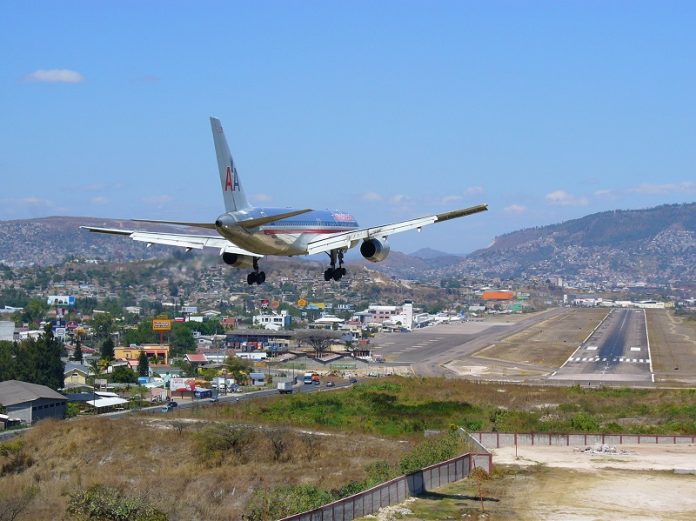
Toncontín International Airport is in Tegucigalpa, Honduras, where surrounding hills and built-up terrain make the approach more demanding than at an open, level site. Its location has long made it a notable airport for pilots and travellers alike.
Palmerola International Airport opened to serve the wider Honduran capital region, and many international services shifted there; Toncontín continues to serve domestic aviation. Confirm which airport your ticket uses before arranging ground transport, as the two are not interchangeable. Local weather and operating restrictions can also affect travel plans.