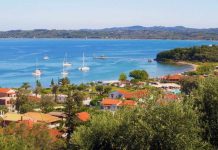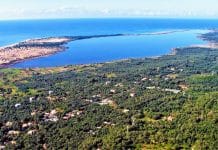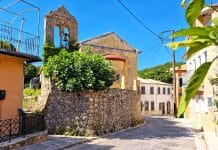
Most people picture Corfu in July or August: hot days, busy beaches and warm sea. But if you ask me when the island looks at its greenest and when it is easiest to explore, spring deserves much more attention.
March, April and May have a completely different rhythm. The island is greener, the roads are quieter, walking is easier and you can spend much more time outdoors without constantly looking for shade.
Spring is not the right season for everyone. If your main priority is spending six hours a day swimming in very warm water, I would wait until summer. But for sightseeing, walking, food, villages and experiencing everyday Corfu, I think spring can be one of the most rewarding times to visit.
Corfu Starts Coming Back to Life
By April, and especially as Easter approaches, Corfu gradually becomes much livelier after the quieter winter months.
More restaurants and cafés reopen for the season, accommodation choices increase and Corfu Town becomes noticeably busier. Tourist resorts begin preparing for summer, although visitors should not expect every seasonal business to be operating as it would in July or August.
Corfu Town is particularly enjoyable at this time of year. You can walk through the Old Town, Spianada, Campiello and around the fortresses without the combination of extreme heat and peak-summer crowds.
For me, one of the nicest things about spring is simply being able to stop somewhere because it looks interesting rather than because you desperately need air-conditioning.
Spring Weather in Corfu
Spring weather in Corfu can vary considerably, particularly in March. You may have beautiful sunny days followed by rain, so I would not pack as if I were arriving in midsummer.
April is generally milder, while May can already feel quite summery during the daytime.
As a rough guide, daytime temperatures during much of spring are often around 18–23°C, although warmer and cooler periods are both possible.
For current conditions and a better idea of what to expect throughout the year, see our Corfu weather guide.
A light jacket is useful in the evening, and I would always bring something suitable for rain if travelling early in the season.
The Island Is Incredibly Green
This is perhaps the biggest visual difference between spring and late summer.
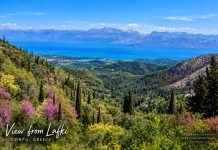
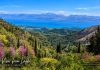
Corfu is already known as one of Greece’s greenest islands, but during spring the countryside can look completely different. Olive groves are surrounded by fresh vegetation, wildflowers appear along roads and walking paths, and hillsides that become much drier later in the year are full of colour.
It is an excellent season for photography, countryside drives and exploring villages where the landscape is just as interesting as the destination itself.
If you enjoy nature, take a look at our Corfu flora and fauna guide.
The Sea Is Beautiful — But Still Cool
This is the part I would make very clear to anyone planning a spring holiday.
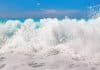
In March and April, the sea is still cool. Some people will happily swim, particularly on a sunny day, but I would not describe the water as comfortably warm for most visitors.
By May things improve considerably, although conditions vary from year to year.
The beaches are still worth visiting even if you do not swim. In fact, seeing places such as Paleokastritsa, Glyfada, Arillas or Agios Georgios Pagon without rows of summer sunbeds and heavy traffic can be an experience in itself.
You can explore some of them in our guide to the best beaches in Corfu.
Greek Easter Changes the Atmosphere Completely
Spring in Corfu becomes a different story when Orthodox Easter arrives.
In 2026, Orthodox Easter Sunday falls on 12 April, and the days leading up to it are among the busiest and most distinctive of the entire year in Corfu Town.
Corfu Easter is not simply another holiday weekend. Religious processions, marching bands, church services, family gatherings and local traditions fill the town for several days.
On Holy Saturday, one of Corfu’s best-known traditions takes place when large clay pots — the famous botides — are thrown from balconies in the Old Town.
This is also one period in spring when I would definitely not expect bargain accommodation in central Corfu Town. Hotels and apartments can fill well ahead of time, and prices may rise considerably around Easter.
If Easter is the main reason for your visit, read our full guide to Easter in Corfu before booking.
Spring Can Offer Better Accommodation Value
Outside the Easter period, spring can be a good time to find accommodation at noticeably lower prices than during July and August.
March is still very early in the tourism season, so the range of open resort hotels may be smaller. By April and May, however, choices increase considerably.
I would look at Corfu Town if sightseeing and restaurants are your priorities, or choose a village or coastal area if you prefer having a car and exploring different parts of the island each day.
One advantage of travelling outside peak summer is flexibility. You may not need to organise every restaurant, beach and activity weeks in advance.
Spring Food Has Its Own Character
Spring is also a good time to pay more attention to what is in season rather than automatically ordering the same dishes you might choose in August.
Fresh greens, artichokes, peas, herbs and citrus fruits appear in local cooking, while Easter brings lamb, traditional breads, sweets and family recipes that you will not encounter in exactly the same way during a normal summer week.
Corfu also has its own dishes worth looking for throughout the year, including pastitsada, sofrito and bourdeto. You can read more in our guide to Corfu local food.
Spring Is Made for Exploring
This is where I think spring really beats the middle of summer.
Walking around Corfu for several hours in August can become exhausting. In April or May, the same activity can be genuinely enjoyable.
You can walk through olive groves, explore Corfu Town, visit traditional villages, drive through the mountains or spend time at archaeological and historic sites without organising the entire day around the heat.
The Corfu Trail is also much more appealing before the hottest months arrive, especially for visitors planning longer sections rather than a short afternoon walk.
Spring is equally good for simply getting into a car and exploring one region at a time. Our Corfu map and regions guide can help you decide which parts of the island to combine.
What I Would Do on a Spring Trip to Corfu
If I had several days in Corfu during April or May, I would not try to reproduce a typical summer holiday.
I would spend more time in Corfu Town, drive through traditional villages, stop at beaches even if I did not intend to swim, walk through the countryside and leave plenty of room for an unplanned lunch or coffee somewhere along the way.
I would also keep an eye on the weather rather than fixing every activity to a particular day. If rain is forecast, use that day for museums, Corfu Town or a long lunch. When the sun returns, head into the countryside or towards the coast.
Is Spring a Good Time to Visit Corfu?
For many travellers, yes — but for different reasons than summer.
Come in spring if you want greener landscapes, comfortable sightseeing temperatures, walking, villages, food and a slower experience of the island.
Come around Easter if you specifically want to experience one of Corfu’s biggest cultural events, but book accommodation early and expect Corfu Town to be busy.
Wait until summer if warm sea temperatures and guaranteed beach weather are the most important parts of your holiday.
Personally, I like spring because Corfu feels less like a destination that has been prepared for visitors and more like an island waking up after winter.
You may not spend every day swimming. But you will probably see parts of Corfu that many summer visitors drive straight past.
Discover the Best of Corfu!
Get local events, travel tips and important Corfu updates delivered straight to your inbox.