1Mexico City, Mexico
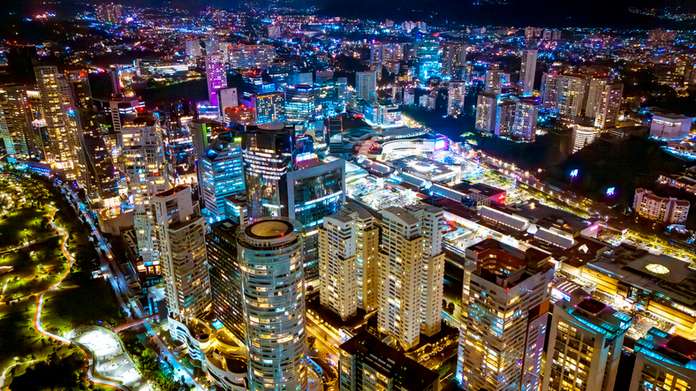
Mexico City presents an unusual earthquake problem. Some of the earthquakes that cause serious damage occur hundreds of kilometres away on Mexico’s Pacific coast.
The city’s geology can make the shaking much worse.
Large sections of Mexico City were built over the sediments of an ancient lake. These soft deposits can amplify seismic waves, meaning distant earthquakes may produce surprisingly powerful movement in parts of the capital.
The devastating 1985 earthquake demonstrated this effect, while another destructive earthquake struck on 19 September 2017.
Mexico City now operates an earthquake early-warning system. In some cases, residents and visitors can receive a warning before the strongest shaking arrives.
Traveller tip: If you hear Mexico City’s earthquake sirens, do not wait to see whether you can feel anything. Follow the instructions of hotel staff and local authorities immediately.
Does This Mean You Should Avoid These Destinations?
No. Seismic hazard should not automatically stop someone from visiting Tokyo, Istanbul, California, Bali, Santorini, Colombia or any other earthquake-prone destination.
Earthquake risk depends on many factors, including the strength and depth of the earthquake, distance from the epicentre, local ground conditions, building construction and population exposure.
A destination with frequent earthquakes and strict modern building codes may sometimes be better prepared than a place where earthquakes occur less frequently but buildings are more vulnerable.
It is also important to remember that earthquakes cannot currently be predicted with enough accuracy to tell tourists that a major earthquake will happen on a particular day or during their holiday.
What Should Travellers Do During an Earthquake?
- Drop, Cover and Hold On: Get down, protect your head and neck and shelter beneath a sturdy table if possible.
- Stay away from windows: Broken glass is one of the most common hazards during strong shaking.
- Do not use elevators: Power failures can trap passengers.
- Do not immediately run outside: Falling glass, masonry, roof tiles and signs can make the area directly outside buildings extremely dangerous.
- If you are outside: Move away from buildings, power lines, trees and anything that could fall.
- If you are driving: Stop somewhere safe away from bridges, tunnels, buildings and power lines if conditions allow.
- Expect aftershocks: Some can be powerful enough to cause additional damage.
- Near the coast: After very strong or prolonged shaking, be aware of possible tsunami danger and follow evacuation instructions immediately.
- Keep your phone charged: A power bank can be extremely useful when electricity and communications are disrupted.
- Follow official information: Ignore dramatic rumours on social media and rely on local authorities and recognised geological or emergency agencies.
One Important Thing About Earthquake Rankings
There is no universally accepted official list ranking the world’s twelve most dangerous tourist destinations for earthquakes.
This list considers a combination of seismic activity, major fault systems, historical earthquakes, population exposure, tourism levels and possible secondary hazards such as liquefaction and tsunami.
Risk can also change dramatically from one neighbourhood or building to another within the same destination.
The intention is therefore not to frighten travellers, but to remind them that a little preparation can make a major difference when travelling in earthquake-prone parts of the world.
Have you ever experienced an earthquake while travelling? Tell us in the comments where you were, what happened and what advice you would give other travellers.
Discover the Best of Corfu!
Get local events, travel tips and important Corfu updates delivered straight to your inbox.