Planning your first holiday in Corfu can be slightly confusing. The island looks small on a map, but its beaches, villages and resorts are spread across different coasts, while travelling between them can take longer than many visitors expect.
As a local, I regularly see tourists asking the same questions about where to stay, whether they need a car, which beaches are best and how many days they should spend here. These are the honest answers I would give to friends visiting Corfu for the first time.
Where Is the Best Area to Stay in Corfu?
There is no single area that is perfect for everyone. The best place depends on whether you want beaches, nightlife, traditional scenery, public transport or easy access to Corfu Town.
Corfu Town is a good choice for short visits, visitors without a car and anyone interested in history, restaurants and evening walks. However, it does not offer the traditional beach-resort experience, and parking can be difficult.
Gouvia, Dassia and Ipsos are practical choices close to Corfu Town and the airport. They have regular bus connections, restaurants, supermarkets and plenty of accommodation.
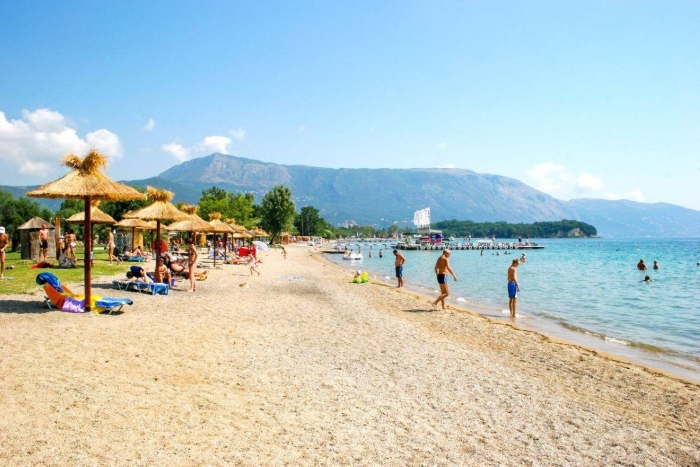
Dassia is one of the most convenient central bases, particularly for visitors who want to explore different parts of the island. Gouvia is useful for its marina, restaurants, nightlife and transport connections, although I would personally choose other areas for my main beach days.
Benitses is another good option, especially for visitors who want a traditional seaside atmosphere, restaurants, a small marina and relatively easy access to Corfu Town. You can read more about Benitses in our guide to Corfu’s harbours and seaside villages.
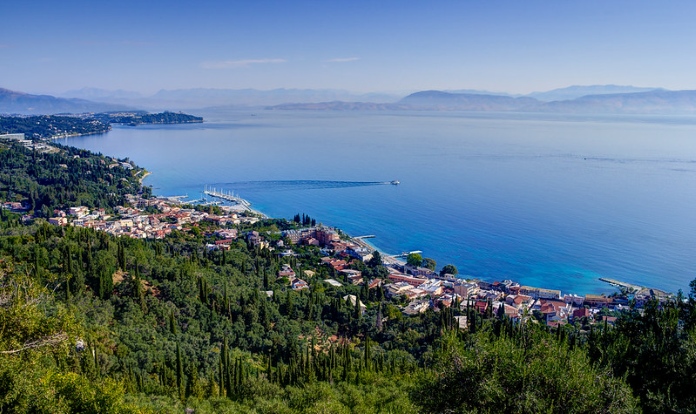
Perama can be a practical choice for visitors who want to stay close to the airport, Kanoni and Corfu Town. Some accommodation offers beautiful sea views, but you should check the exact location carefully because certain properties involve steep roads, steps or traffic noise.
Kontokali is close to Corfu Town, Gouvia Marina and the island’s main hospital. It can work well for couples, families and travellers who want a quieter base without staying too far from the centre.
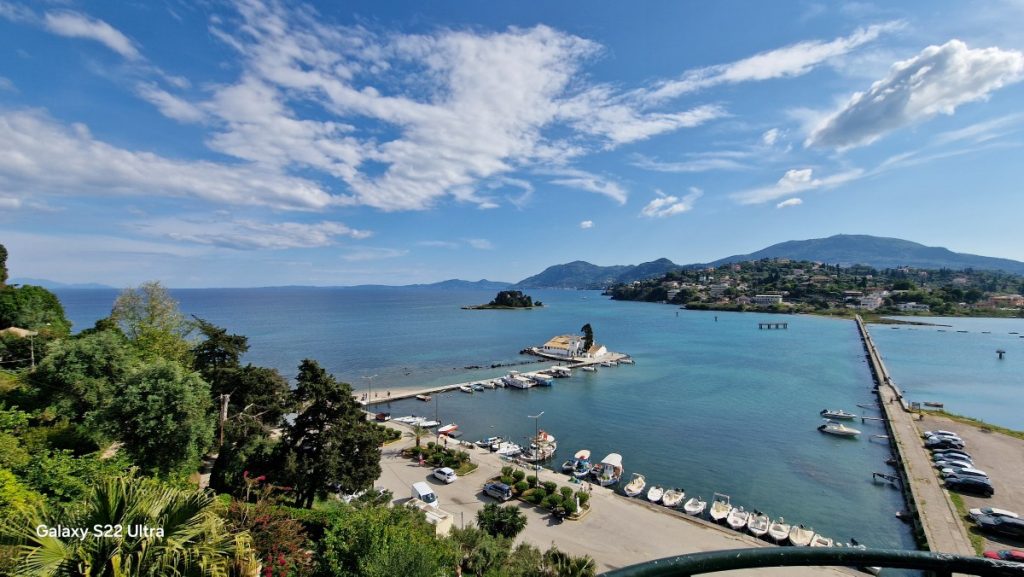
Kanoni is another useful choice near Corfu Town and the airport. It offers the famous view of Vlacherna Monastery and Mouse Island, regular buses and easy access to Mon Repos. However, aircraft noise can be noticeable, particularly in rooms facing the flight path.
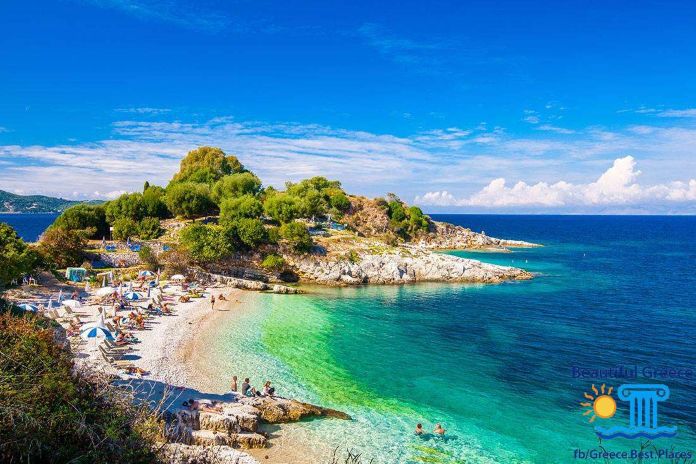
Paleokastritsa and Agios Gordios are better for dramatic scenery and beautiful beaches. Paleokastritsa is particularly attractive for visitors interested in small bays, sea caves, boat trips and impressive coastal views.
Kassiopi is one of my favourite choices for visitors who want a picturesque harbour, restaurants, shops and several small swimming coves within walking distance. It feels lively in summer without having the same intense party atmosphere as Kavos.
Families often enjoy Dassia, Acharavi, Roda, Benitses, Moraitika and Messonghi, while younger visitors looking for intense nightlife usually consider Kavos, Sidari or Ipsos.
My advice: Do not choose your accommodation only because the hotel photos look attractive. Check the location carefully on the map, especially the distance from the beach, bus stop, restaurants and supermarkets. Some properties described as being “near the sea” may involve steep hills, many steps or long walks.
How Many Days Do You Need in Corfu?
You can see some highlights in three or four days, but this will only give you a small taste of the island.
For a first visit, I recommend staying for at least five (5 ) to seven (7 ) days. This gives you enough time to explore Corfu Town, visit two or three different beaches, enjoy a boat trip and spend time in a traditional village without rushing every day.
Seven to ten days is even better if you want to explore both northern and southern Corfu. The island may look compact, but travelling from one end to the other can take considerably longer during the summer because of traffic, narrow roads and slower vehicles.
A common mistake is trying to visit Paleokastritsa, Kassiopi, Sidari, Corfu Town and the southern beaches in only two or three days. You may technically reach them, but most of your holiday will be spent inside a car.
Corfu is more enjoyable when you leave some free time for an unexpected swim, a long lunch or a sunset drink rather than treating every day like a race against the clock.
Do You Need to Rent a Car in Corfu?
You do not necessarily need a car if you are staying in Corfu Town or in a well-connected resort such as Gouvia, Dassia, Ipsos, Kanoni or Benitses. Blue buses serve Corfu Town and several nearby areas, while Green Buses travel to many popular villages, resorts and beaches.

However, renting a small car is useful if you want to discover remote beaches, mountain villages and viewpoints away from the main bus routes. It also gives you more freedom to change your plans according to the weather.
You can compare Corfu car-rental options here. ( wait a few minutes for the page to load ). I recommend booking early for July and August because the smallest and most affordable cars are often reserved first.
You can also find more information in our complete guide to getting around Corfu.
Important local advice: Corfu’s roads are often narrow, winding and poorly lit at night. Drive slowly and do not follow navigation apps blindly if they send you through an extremely narrow village road.
I personally do not recommend renting scooters or ATVs, especially for inexperienced drivers. Accidents happen regularly, road surfaces are not always good and many visitors underestimate the hills, bends and local traffic.
Visitors from the United Kingdom should also remember that traffic in Greece drives on the right-hand side. After a long or late flight, it may be wiser to take a taxi to your accommodation and collect the rental car the following morning.
Not every petrol station stays open late at night or operates 24 hours, so do not wait until the fuel tank is almost empty before stopping.
How Do You Get from Corfu Airport to Your Hotel?
Corfu Airport is very close to Corfu Town, but the transfer time to your accommodation depends heavily on where you are staying.
The Blue Bus Line 15 connects the airport with the Intercity Green Bus Station, San Rocco Square in Corfu Town and the Port of Corfu. From the centre or bus station, you can continue towards other parts of the island.
Taxis are available outside the airport terminal. During July and August, queues can become longer when several international flights arrive close together.
Pre-booking a private transfer can be helpful for families, larger groups, late-night arrivals or visitors staying far from Corfu Town. For private airport transfers, excursions and personalised tours, visit Blue Transfers.
If you are renting a car, check whether the company has a desk inside the airport or whether a representative will meet you outside. Some local rental companies deliver vehicles to a nearby parking area rather than directly outside the terminal.
Always send the exact accommodation address to the driver. Several villages and hotels have similar names, and Corfu also has two different places called Agios Georgios.
Read our Corfu Airport information guide before travelling for additional arrival and transport details.
Which Are the Best Beaches in Corfu?
The answer depends on what type of beach you enjoy. Corfu has sandy beaches, pebble coves, organised resort beaches and wild coastlines with very few facilities.
For dramatic scenery: Paleokastritsa, Porto Timoni, Rovinia, Arillas, Kontogialos, Sidari, Loggas Beach and Issos are among the most impressive choices.
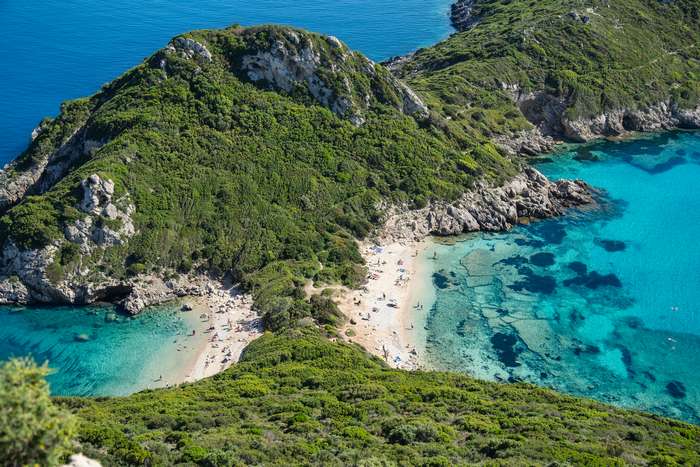
Loggas Beach is famous for its high cliffs and sunset views, while Sidari is known for its unusual rock formations and Canal d’Amour. Issos offers a completely different landscape, with dunes, open sand and the natural surroundings of Lake Korission.
For long sandy beaches: Arillas, Agios Stefanos in northwest Corfu, Agios Georgios Pagon, Glyfada, Sidari, Kontogialos, Agios Gordios, Issos, Halikounas, Marathias and Agios Georgios South are excellent options.
For clear water and snorkelling: Barbati, Nissaki, Kassiopi and several northeast-coast coves are worth considering.
For families with young children: Apraos, Dassia, Roda, Moraitika and Messonghi often provide easier access and shallower water, although sea conditions can change anywhere.
Our guide to the best beaches in Corfu will help you compare the main choices. Families can also check our list of family-friendly Corfu beaches.
Do not assume that the most famous beach will automatically be the best beach for you. Paleokastritsa is spectacular, but the water can feel colder and some small bays become crowded. Porto Timoni is beautiful, but reaching it involves a rocky downhill path and the return walk can be difficult in extreme heat.
My advice: Visit popular beaches early in the morning. You will find easier parking, more space and a much more peaceful atmosphere.
Is Corfu Town Worth Visiting?
Absolutely. Even visitors who come mainly for the beaches should spend at least half a day in Corfu Town.
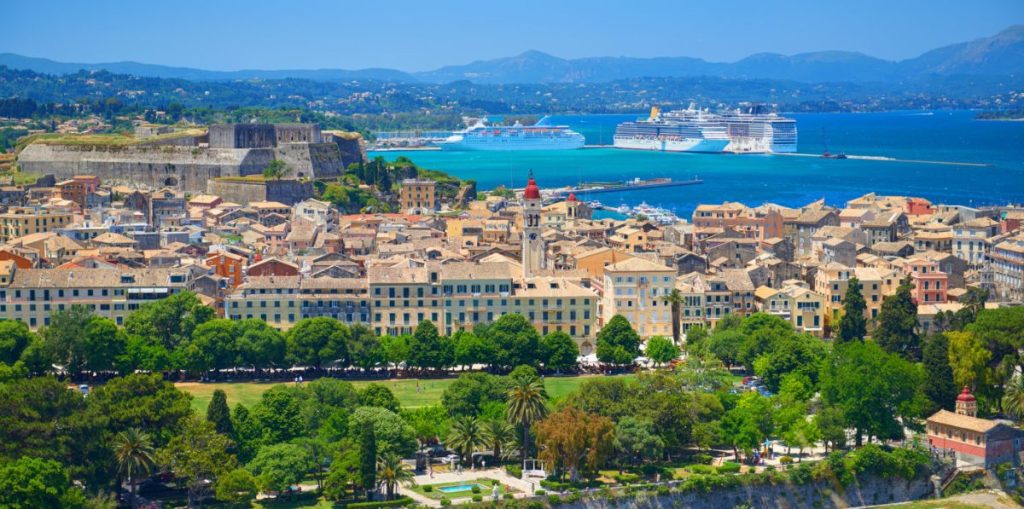
The Old Town is very different from the whitewashed island villages many travellers associate with Greece. Venetian buildings, narrow kantounia, historic churches, fortresses and elegant squares give the town its own character.
Walk around the Liston and Spianada Square, visit the Church of Saint Spyridon and explore the small streets behind the main shopping areas. The Old Fortress is also worth visiting for its history and views.
You can find more ideas in our complete Corfu Old Town guide.
During the summer, I recommend visiting early in the morning or after 6 PM, when the temperature is usually more comfortable. Parking near the centre can be stressful, so using a bus, taxi or private transfer may be easier.
After your walk, stay for dinner or a drink. Corfu Town becomes particularly attractive in the evening when the streets are illuminated and local families come out for their traditional evening stroll.
Is Corfu Expensive?
Corfu can be expensive, but the final cost depends heavily on where you eat, how often you travel by taxi and whether you book organised activities.
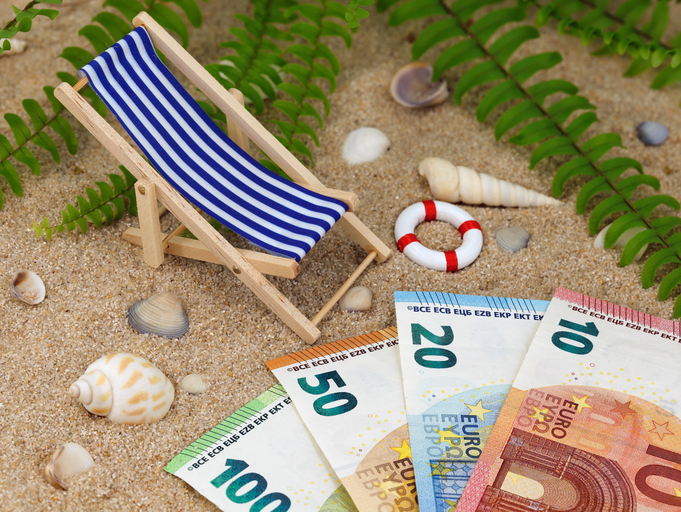
In my opinion, a realistic daily budget is approximately €80 per person if you plan to eat outside three times per day, even when some of those meals are from bakeries, grill houses or fast-food restaurants.
This estimate also includes ordinary local transportation and drinks during the day. It does not include accommodation, shopping, car rental, organised tours, boat trips or expensive nightlife.
Restaurants directly beside famous beaches, marinas or major tourist attractions usually charge more. Moving only a few streets away from the busiest areas can often lead to better value and a more local atmosphere.
Bakeries, local grill houses and traditional family tavernas can offer more affordable meals. Supermarkets are useful for water, fruit, breakfast items and beach snacks, especially for families.
Sunbeds are another expense visitors sometimes forget to include in their budget. Prices vary considerably depending on the beach and the type of establishment. Some places charge separately, while others provide sunbeds with a minimum food or drink order.
Before sitting down, check the menu and ask politely about any minimum spending requirement. A beautiful sea view is wonderful, but it is always better when the bill does not arrive as an unpleasant surprise.
I will soon publish another detailed article explaining how someone can spend approximately €40 per day in Corfu and still eat well, go out, enjoy the island and have plenty of fun.
For dishes worth trying during your holiday, explore our Corfu local food guide.
Can You Drink the Tap Water in Corfu?
Most locals and many regular visitors prefer bottled or filtered water for drinking. Depending on the area, tap water may have a noticeable salty or mineral taste.
You can normally use it for washing, showering and general household purposes, but your accommodation owner or hotel reception can give you the best advice about the water supply in that particular area.
Bottled water is widely available in supermarkets, mini-markets, bakeries and petrol stations. During hot weather, keep extra water in your room and car rather than waiting until you reach a remote beach.
Do not leave full plastic bottles inside a car under direct summer sunlight for long periods. A reusable insulated bottle is a more practical option for day trips.
Corfu can become very hot and humid in July and August. Drink water regularly even when you do not feel thirsty, particularly while walking around Corfu Town or visiting places that involve steep paths.
When Is the Best Time to Visit Corfu?
May, June, September and early October are excellent periods for many visitors. The weather is generally suitable for beaches and sightseeing, while the island is usually less crowded than during the busiest summer weeks.
July and August offer the hottest weather, the warmest sea and the largest choice of events, boat trips and nightlife. They also bring more traffic, crowded beaches, higher accommodation prices and occasional periods of extreme heat.
April is beautiful and very green, although the weather can be unpredictable and some seasonal businesses may not yet be open. Late October can also be pleasant, but rain and storms become more likely and tourist services gradually reduce.
Mosquitoes can be noticeable during warm and humid periods, particularly near gardens, standing water and countryside accommodation. Pack a good repellent and ask whether your room has mosquito screens or an electric plug-in device.
Travellers mainly interested in walking, photography, villages and sightseeing may enjoy spring or autumn more than peak summer. Visitors who want reliable beach weather, nightlife and a full selection of boat excursions will usually prefer June through September. For Weather in Corfu by month you can check here: Corfu Weather
What Should You Not Miss on Your First Corfu Holiday?
Every visitor has different interests, but a first trip should include more than staying beside the same hotel pool every day.
Try to include at least one visit to Corfu Town, one scenic west-coast beach, one traditional village and one boat experience. A short boat trip around Paleokastritsa, Kassiopi or the northeast coast can reveal caves and small beaches that cannot be properly appreciated from the road.
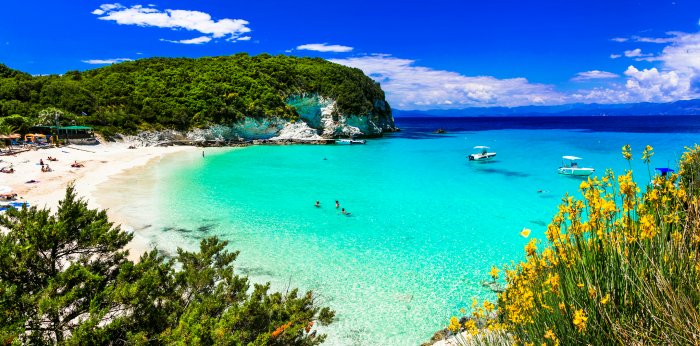
Visitors with a full day available can consider an excursion to Paxos and Antipaxos, the Blue Lagoon and Sivota, or even Meteora. A Meteora excursion is a very long day from Corfu, but the monasteries and extraordinary rock formations make it an unforgettable experience for visitors who do not mind the travelling time.
You can also organise some amazing independent day trips to mainland Greece that are not advertised as heavily as the standard Corfu excursions. These trips usually require an early ferry to Igoumenitsa, a rental car or pre-arranged private transportation and careful planning for the return ferry.
Perama Cave and Ioannina
The Cave of Perama, near Ioannina, is a fascinating underground attraction with impressive stalactites and stalagmites. You can combine it with a visit to Ioannina, a walk beside Lake Pamvotida, the historic castle area and lunch in the city.
Acheron River Adventure
Another unforgettable option is the mythical Acheron River in Epirus. Depending on the season and local conditions, visitors can walk through the cold, clear water, explore the natural landscape or join organised outdoor activities.
Wear suitable shoes, protect your phone and valuables from the water and check the conditions before entering the river.
Monolithi Beach and Preveza
Monolithi Beach, in the Preveza regional unit, stretches for approximately 25 kilometres along the Ionian Sea and is widely described as one of the longest continuous sandy beaches in Europe.
It is a completely different beach experience from Corfu’s smaller bays. You will find enormous stretches of sand, open sea, organised areas and quieter sections where there may be very few people.
A visit can also be combined with Preveza, Ancient Nicopolis or a meal beside the sea before returning towards Igoumenitsa.
For private transfers and personalised mainland excursions, contact Blue Transfers. Always confirm travelling times, ferry schedules, entrance hours and the complete itinerary before booking a long day trip.
Explore our guides to Corfu boat trips and cruises and the best things to do in Corfu for additional ideas.
Most importantly, leave room in your schedule for something unplanned. Some of the best Corfu memories come from discovering a quiet village square, stopping at a small family taverna or watching the sunset from a place you had not originally intended to visit.
My Final Advice for First-Time Visitors
Do not try to see the entire island during one short holiday. Choose two or three areas, explore them properly and allow enough time to relax.
Start early when visiting famous beaches, avoid driving when tired, carry water during hot weather and check bus, boat and attraction schedules before making a long journey.
Corfu rewards travellers who slow down. The island is not only its famous beaches and viewpoints. Its real character is also found in its villages, food, music, olive groves and the everyday conversations you have with local people.
For emergencies, hospitals, pharmacies and useful telephone numbers, save our Corfu emergency and health information page before your arrival.
Discover the Best of Corfu!
Get local events, travel tips and important Corfu updates delivered straight to your inbox.